

About Jocelyn
Jocelyn Sexton is the Vice President of Marketing at Growth Acceleration Partners (GAP), an AI consulting and technology services company focused on custom software, data engineering, AI services, and modernization solutions that help businesses transform revenue-generating and mission-critical applications. She brings more than 20 years of marketing and communications experience across the technology, government, and energy industries to her role, where she oversees brand awareness, demand generation, digital and event marketing, sales enablement, internal communications, and recruitment marketing for a global team.
Jocelyn earned an MBA from the McCombs School of Business at the University of Texas at Austin and a BA in Journalism from the University of North Texas. That foundation shapes how she and her team approach content at GAP: clear, audience-first, and genuinely useful. She writes on topics including AI strategy, digital transformation, and go-to-market execution for technology organizations.
Before joining GAP, Jocelyn held global marketing leadership roles at Dover Fueling Solutions, National Instruments (now NI), SailPoint, and Emerson Automation Solutions. Her breadth of B2B and enterprise technology experience informs how she connects marketing strategy to measurable business outcomes.
Jocelyn is frequently a guest on podcasts focused on technology, marketing, and leadership. She was named one of the Top 50 Women Leaders of Austin for 2023 by Women We Admire and served as a contributor to the Forbes Communications Council from 2021 to 2023. Outside of work, Jocelyn enjoys reading, hiking, boating, and traveling with her family.
Articles by Jocelyn Sexton 9

Jocelyn Sexton | August 20, 2026
AI Tools Are Everywhere. Business Impact Isn’t. Here’s How GAP Closes the Gap.
Every company can now buy the same AI capabilities. And that’s exactly the problem. Licenses get bought, pilots get launched, employees get a chatbot in the corner of their screen. Every company is running the same playbook. Access isn’t an advantage anymore. It’s the baseline. Advantage comes from what you do with that access. The […]
Read More
Jocelyn Sexton | August 19, 2026
Your AI Isn’t Stalling Because of Bad Data. It’s Stalling in the Gaps Nobody Owns.
Every company chasing AI eventually hits the same wall: the models work, the use cases are obvious, and progress quietly stops anyway. The usual explanation is that data quality needs work. But you can start with clean data and still get garbage out.
Read More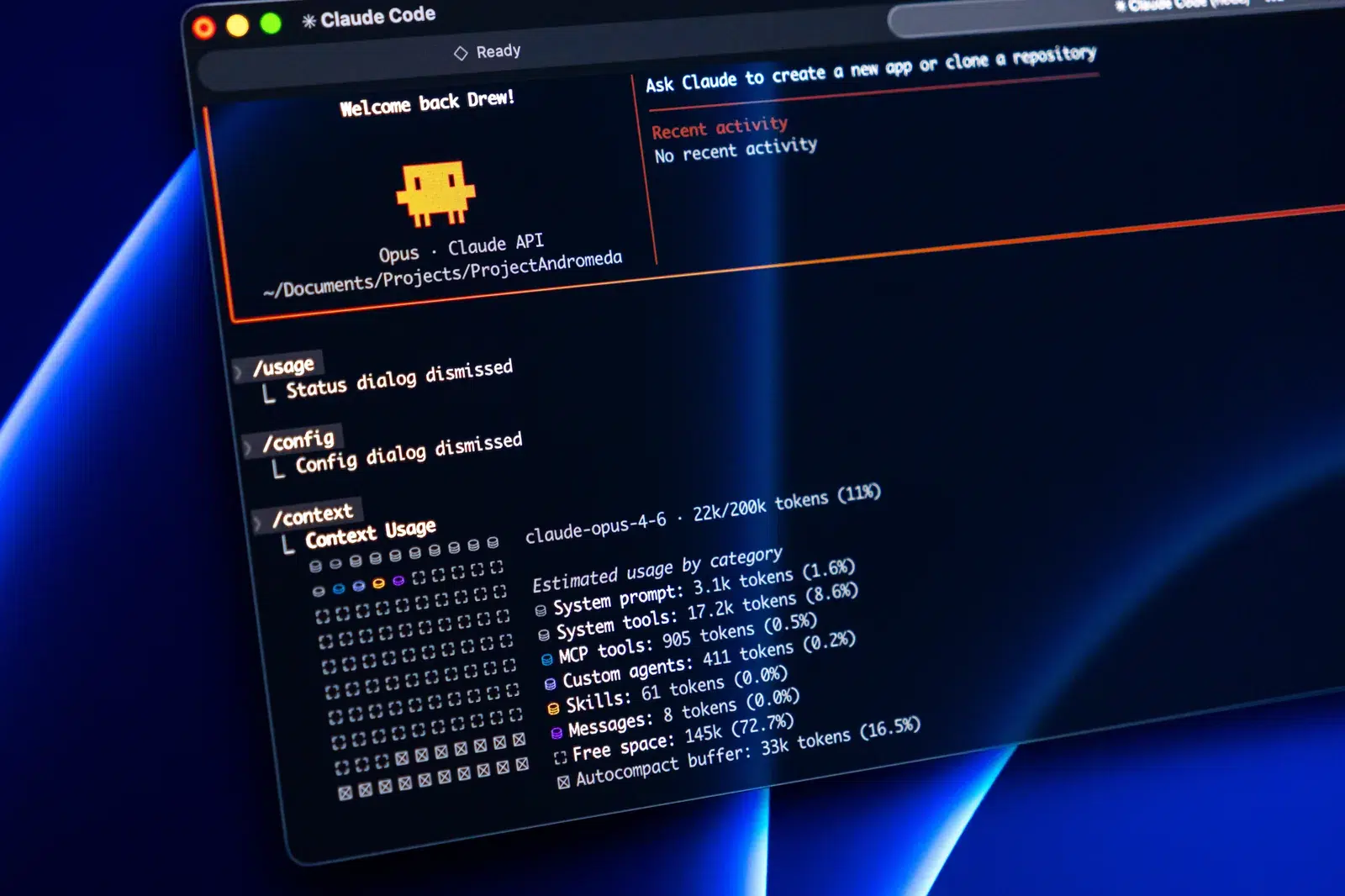
Jocelyn Sexton | August 4, 2026
How Growth Acceleration Partners Uses Claude to Redefine Engineering Delivery
If you’re a CTO or VP of Engineering at a mid-sized company, you’ve probably heard the pitch: “We use AI to accelerate your development team.” You’ve also probably noticed most vendors say the same thing and deliver very different results. At GAP, we take it further. We don’t just license AI tools to our engineers; […]
Read More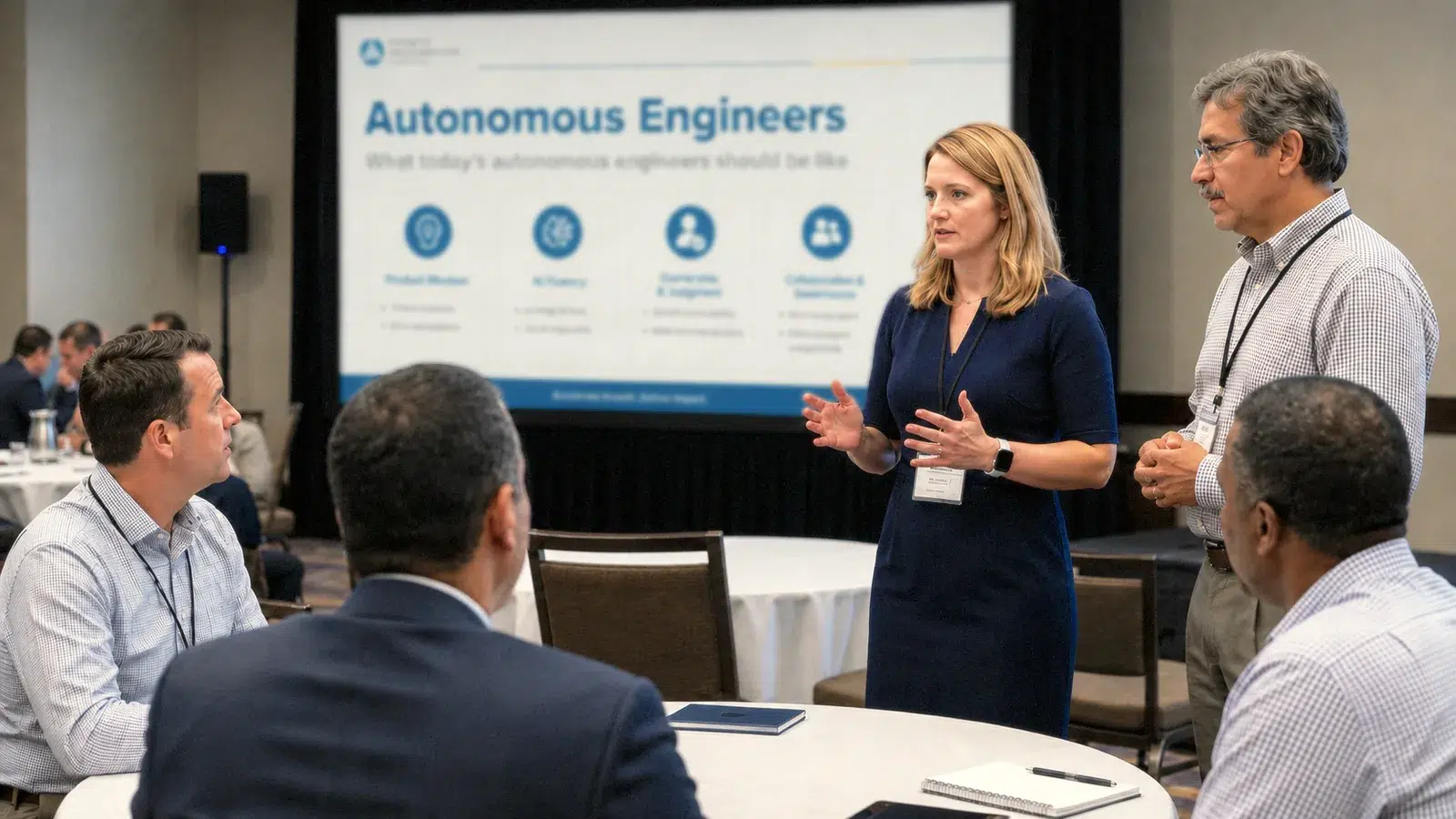
Jocelyn Sexton | June 17, 2026
The Human Element of Autonomous Engineering: Trust, Governance and the New AI Operating Model
(This is Part 3 of a three-part series exploring what it takes to bring true agentic AI systems into enterprise production. Read Part 1 and Part 2.) When we gathered with technology leaders at the Chief AI Officer (CAIO) Summit in New York City, one truth eclipsed all others: you can build the most architecturally […]
Read More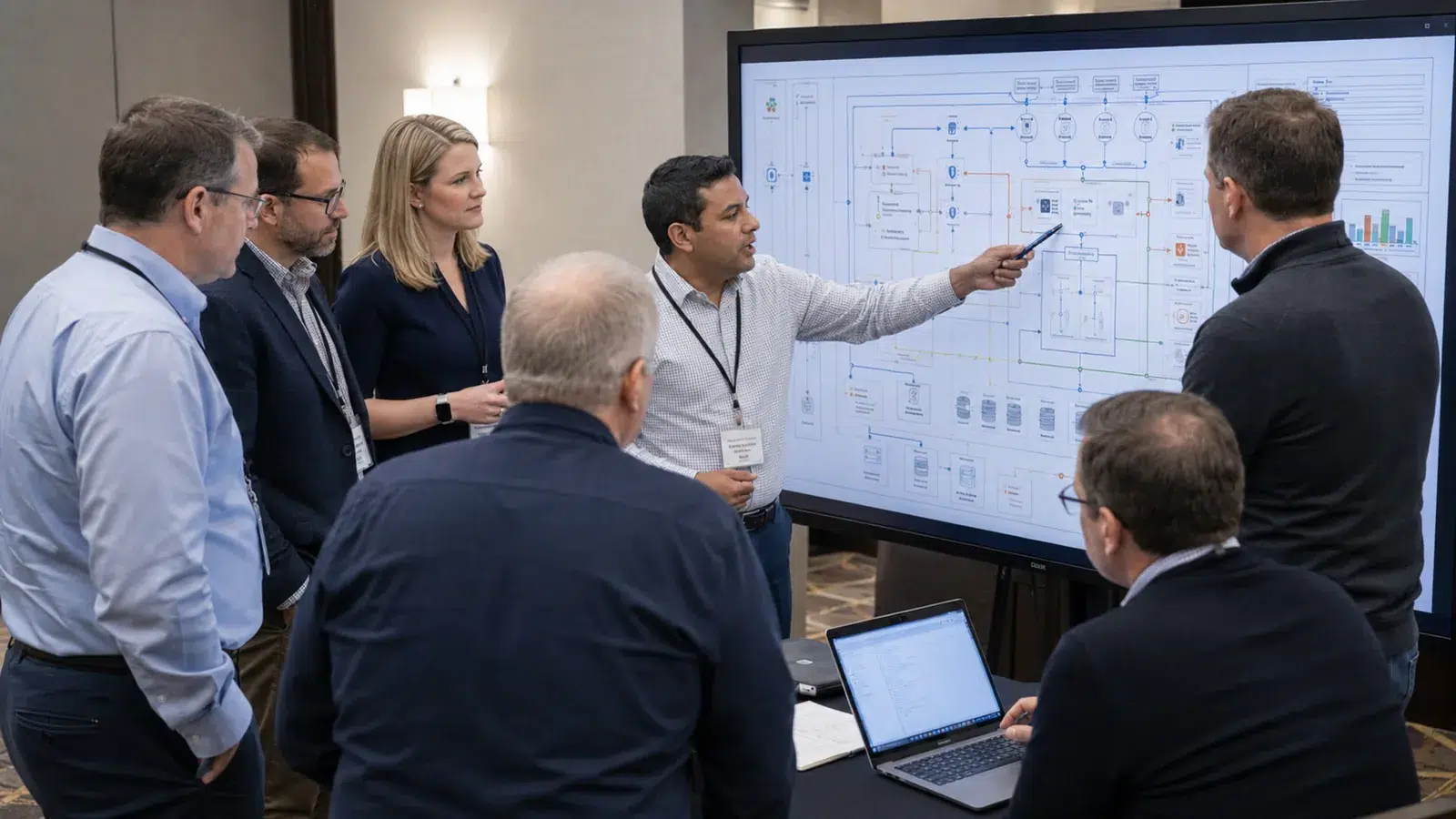
Jocelyn Sexton | June 16, 2026
The Engine Room of Agentic AI: Architecture, Orchestration and the Illusion of “Clean Data”
(This is Part 2 of a three-part series exploring what it takes to bring true agentic AI systems into enterprise production. In Part 1, we broke down the PoC-to-Production Engineering Gap, using the commercial aviation autopilot analogy to show why 88% of AI pilots stall and why true ROI requires rewriting the operating model rather […]
Read More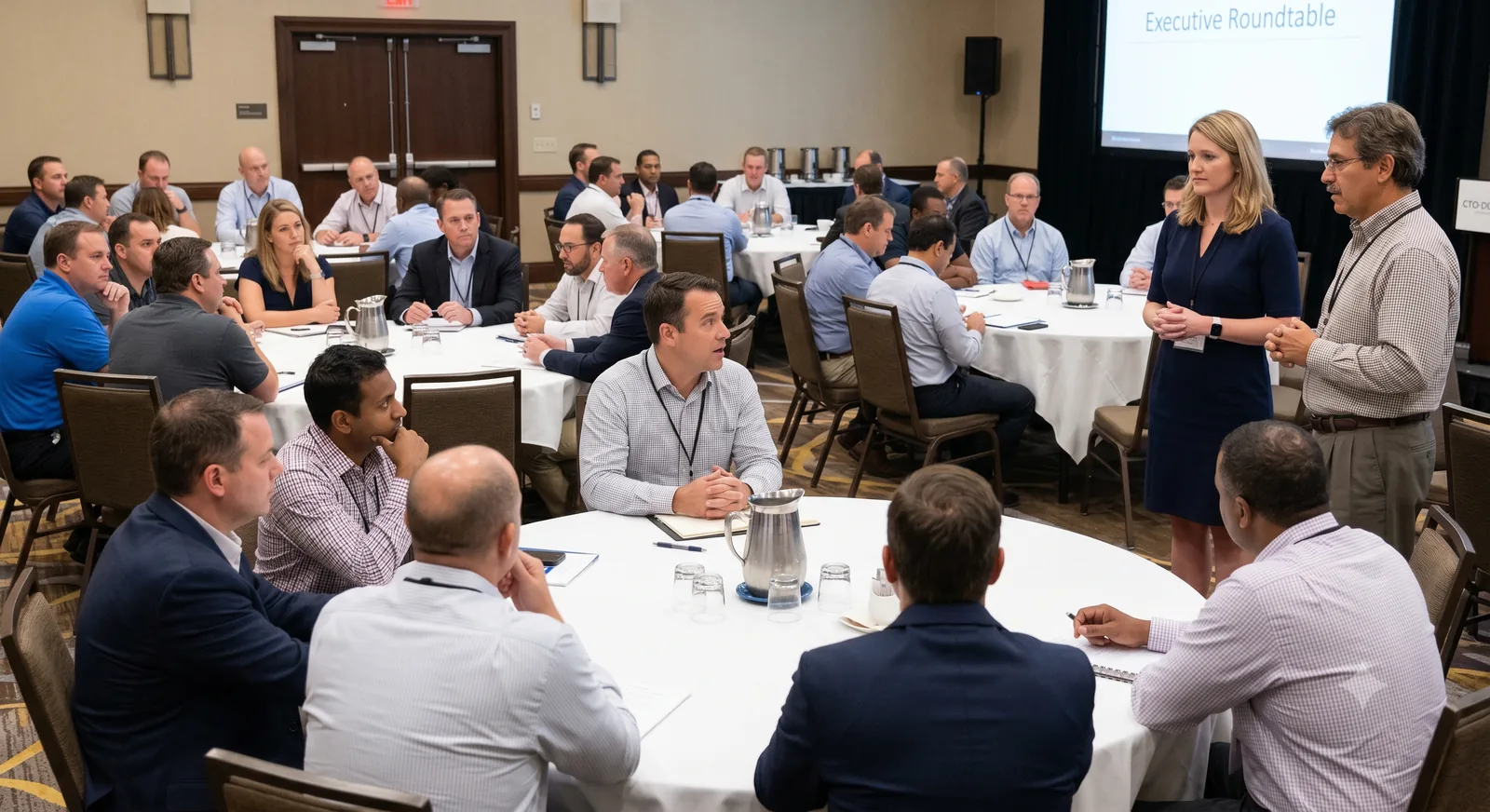
Jocelyn Sexton | June 15, 2026
Beyond the Hype: The Operational Reality of Moving from AI Pilots to Autonomous Engineering
(This is Part 1 of a three-part series exploring what it takes to bring true agentic AI systems into enterprise production.) In early June, our team from Growth Acceleration Partners hosted an executive roundtable at the Chief AI Officer (CAIO) Summit in New York City. The room was packed with CAIOs, CTOs and senior technology […]
Read More